
When it comes to timeless beauty secrets, Moroccan rituals have long enchanted those seeking radiant skin and luxurious self-care routines. Rooted deeply in the rich cultural tapestry of Morocco, these beauty practices are revered for their natural ingredients and holistic approach. As you delve into the world of Moroccan skincare, you’ll discover that it is not just about appearance but a connection to history and tradition that nurtures the body and soul.
Moroccan beauty rituals are celebrated for their simplicity. They rely heavily on the use of natural, unprocessed ingredients sourced from the land. If you’re looking to refresh your skincare routine, a professional facial can complement these time-honored Moroccan beauty traditions.
The Historical Significance of Moroccan Skincare
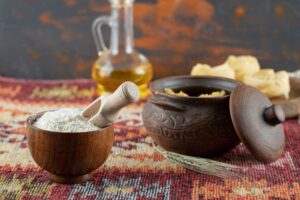
Moroccan skincare is a testament to the country’s rich history and cultural diversity. Dating back centuries, these beauty rituals have been passed down through generations, evolving yet maintaining their essence. The Berber women, in particular, have been the custodians of these secrets, using them to protect and enhance their skin in the harsh desert climate.
The significance of Moroccan skincare extends beyond its historical roots. It’s a reflection of Morocco’s cultural heritage, where beauty is not just about aesthetics but a holistic approach to well-being. By incorporating these rituals into their daily lives, Moroccan women have cultivated a deep connection to nature, spirituality, and community. Today, many of these traditions continue to inspire modern facial spa service offerings that emphasize both skin health and overall wellness.
Understanding the historical context of Moroccan skincare allows you to appreciate its value as more than just a trend. It’s a celebration of heritage and a testament to the power of nature. By embracing these rituals, you not only honor the past but also bring the wisdom of ancient beauty practices into your modern life.
Key Ingredients in Moroccan Beauty Products
Moroccan beauty products are known for their natural ingredients. Whether you’re exploring traditional skincare remedies or reading more in our Journal, understanding these key components can help you appreciate what makes Moroccan beauty products stand out. Here are some of the best-known ingredients:
- Argan Oil: Often referred to as “liquid gold,” argan oil is rich in essential fatty acids and vitamin E, making it a popular moisturizer. It helps keep the skin hydrated and supple.
- Rose Water: Valued for its soothing feel, rose water is often used as a natural toner, offering a refreshing and calming effect.
- Moroccan Clay (Rhassoul): This mineral-rich clay is traditionally used for cleansing. It absorbs excess oil and impurities from the skin, making it an excellent choice for masks and exfoliants.
As with any new product, try a small amount first if your skin is sensitive.
Popular Moroccan Beauty Rituals Explained
Moroccan beauty rituals blend tradition with everyday care. Each ritual has its own steps and purpose. Here are a few popular Moroccan beauty practices you might consider incorporating into your routine:
-
The Hammam Experience
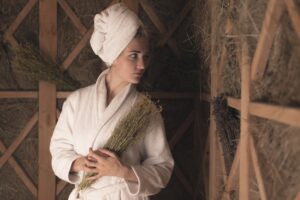
The Hammam, or Moroccan steam bath, is a traditional cleansing ritual that leaves the skin feeling refreshed. It involves a series of steps including steaming, exfoliating with a kessa glove, and applying black soap made from olives. Many people find the process deeply relaxing.
-
Ghassoul Clay Masks
Ghassoul clay, also known as Rhassoul clay, is used to create masks that cleanse and exfoliate. Mixed with rose water or plain water, the clay helps lift away oil and impurities, leaving the skin feeling smooth.
-
Argan Oil Massage
This ritual involves massaging the skin with pure argan oil, which hydrates and softens the skin. Many people find the massage itself relaxing.
By understanding and adopting these rituals, you can enjoy Moroccan beauty practices as part of a calm, unhurried self-care routine.
The Role of Argan Oil in Skincare
Argan oil is one of the most iconic ingredients in Moroccan beauty, revered for its versatility and effectiveness. Extracted from the kernels of the argan tree, this oil is rich in nutrients and widely used for skin, hair and nails.
Nutrient-Rich Composition
Argan oil is packed with essential fatty acids, antioxidants, and vitamin E, which make it a popular moisturizer.
Versatile Application
The beauty of argan oil lies in its versatility. It can be used as a daily moisturizer, a nourishing hair treatment, or even a cuticle oil. A few drops can help dry skin feel softer and more hydrated.
Sustainability and Ethics
Argan oil comes from Morocco. If sourcing matters to you, look for argan oil that is ethically sourced and supports local producers.
Incorporating argan oil into your skincare routine is a simple yet powerful way to embrace Moroccan beauty. Its nourishing feel and versatility make it a favorite in many routines.
Benefits of Using Moroccan Clay Masks
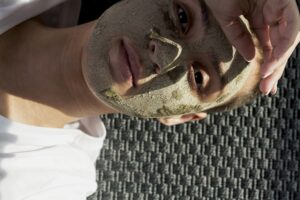
Moroccan clay masks, particularly those made with Rhassoul clay, are a popular part of many skincare routines. This mineral-rich clay comes from the Atlas Mountains and has been used for centuries for cleansing.
Deep Cleansing
Rhassoul clay absorbs excess oil and lifts away impurities, making it a good choice for a deep cleanse. It leaves the skin feeling refreshed.
Improved Skin Texture
Used regularly, Moroccan clay masks gently exfoliate, which can leave the skin feeling smoother.
Natural Minerals
Rhassoul clay naturally contains minerals such as magnesium, silica and potassium.
A Moroccan clay mask once or twice a week can be a simple, natural addition to your routine.
How to Incorporate Moroccan Rituals into Your Skincare Routine
Integrating Moroccan beauty rituals into your daily skincare routine is a delightful way to indulge in self-care while reaping the benefits of time-honored practices. Here’s how you can seamlessly incorporate these rituals into your regimen:
Morning Routine
- Cleanse: Start your day with a gentle cleanser infused with rose water to soothe and refresh your skin.
- Hydrate: Apply a few drops of argan oil to moisturize.
- Tone: Use a rose water toner to refresh your skin before makeup.
Evening Routine
- Detoxify: Once or twice a week, apply a Moroccan clay mask to cleanse your skin.
- Moisturize: After cleansing, massage your face with argan oil to lock in moisture.
- Relax: Finish with a calming rose water mist to soothe your skin and prepare it for a restful night’s sleep.
By incorporating these rituals into your routine, you can bring the spirit of Moroccan beauty into your day, with a moment of calm for yourself.
Moroccan Beauty Products to Try
Exploring Moroccan beauty products can open up a world of skincare possibilities. Here are some must-try products that capture the essence of Moroccan beauty:
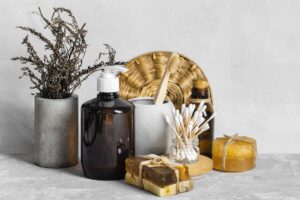
- Pure Argan Oil: A versatile oil that can be used for skin, hair, and nails. Look for 100% pure argan oil for the best results.
- Rhassoul Clay Mask: A cleansing clay mask. Mix with rose water for an enhanced experience.
- Black Soap: An exfoliating soap made from olives, perfect for use in the Hammam ritual.
- Rose Water Toner: A soothing toner that refreshes the skin.
- Kessa Exfoliating Glove: A traditional glove used in the Hammam for exfoliating the skin and removing dead cells effectively.
These products capture the spirit of Moroccan beauty and are easy to try at home.
The Impact of Moroccan Beauty on Global Skincare Trends
Moroccan beauty has made a significant impact on global skincare trends, inspiring a movement towards natural, sustainable, and ethically sourced products. The emphasis on simplicity has resonated with consumers worldwide, leading to a growing appreciation for natural beauty.
Natural Ingredients Revolution
The rise of Moroccan beauty has drawn attention to natural ingredients in skincare. Argan oil, rose water, and Rhassoul clay have become staples in many skincare lines, influencing brands to incorporate more natural elements into their products.
Sustainability and Ethics
The focus on sustainable sourcing and ethical production in Moroccan beauty has set a precedent for the industry. Consumers are increasingly demanding transparency and accountability, leading to a shift towards more sustainable practices.
Holistic Beauty Approach
Moroccan beauty rituals embody a holistic approach that emphasizes the connection between body, mind, and spirit. This philosophy has inspired a broader trend towards wellness and self-care, encouraging individuals to view beauty as a comprehensive lifestyle choice.
The impact of Moroccan beauty on global trends underscores the importance of tradition and authenticity in skincare. By embracing these principles, you can align yourself with a movement that values both beauty and integrity.
Conclusion: Embracing Moroccan Beauty for Radiant Skin
Embracing the secrets of Moroccan beauty rituals can turn your skincare routine into a luxurious ritual. By incorporating natural ingredients like argan oil, rose water, and Rhassoul clay, you can care for your skin while honoring a rich cultural heritage.
Moroccan beauty is more than just a set of rituals; it’s a celebration of connection — to nature, to tradition, and to oneself. By adopting these practices, you can also make room for a little calm and mindfulness.