
Understanding Massage Therapy: What is it?
Massage therapy is a manual technique that involves manipulating the body’s muscles and soft tissues to promote relaxation, reduce stress, and alleviate pain. It is an ancient practice, with roots in cultures worldwide, from the traditional Chinese and Indian methods to the Swedish and deep tissue techniques commonly used today. By using their hands, fingers, elbows, or even feet, massage therapists apply pressure to specific points on the body, targeting muscles and connective tissues to improve circulation and relieve tension.
The practice of massage has evolved over centuries, incorporating scientific advancements and traditional wisdom. This blend of art and science, much like the wellness approach at rryl skin spa, not only addresses physical ailments but also enhances overall well-being. Whether you’re seeking relief from chronic pain or simply want to unwind, massage therapy offers a personalized approach that caters to your unique needs.
In addition to its therapeutic benefits, massage is also a preventive measure that supports a healthy lifestyle. Regular sessions can boost your immune system, improve posture, and increase flexibility, making it a holistic approach to maintaining your body’s health. Understanding the fundamentals of massage therapy is the first step toward appreciating its transformative effects on your life.
The Science Behind Massage: How It Works
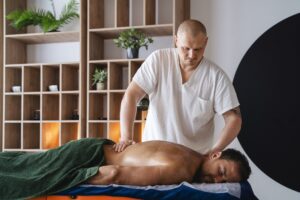
The science of massage therapy is rooted in its ability to stimulate the body’s natural healing processes. When pressure is applied to the body’s tissues, it enhances blood flow, which in turn delivers oxygen and nutrients to the muscles and organs. This increased circulation helps to flush out toxins and reduce inflammation, promoting faster recovery from injuries and reducing pain.
Massage also impacts the nervous system by triggering the release of endorphins, the body’s natural painkillers and mood elevators. These chemicals play a crucial role in reducing anxiety, stress, and depression, contributing to enhanced mental well-being. Similarly, facial treatments nyc are often sought for their relaxing and rejuvenating effects. Moreover, massage can decrease levels of cortisol, a stress hormone, further promoting relaxation and calmness.
The physiological changes induced by massage extend to the lymphatic system as well. By encouraging lymph flow, massage helps in detoxifying the body and boosting the immune system. This intricate interplay of biological systems highlights why massage therapy is more than just a luxury; it’s a scientifically-backed method for fostering physical and mental health.
Physical Benefits of Massage: A Path to Healing
One of the most compelling reasons to incorporate massage into your routine is its array of physical health benefits. Whether you’re an athlete recovering from a strenuous workout or someone dealing with chronic pain, massage provides a pathway to healing that is both natural and effective, much like the wellness discussions surrounding gua sha vs microcurrent treatments.
- Pain Relief: Massage therapy can alleviate pain from injuries, arthritis, and other musculoskeletal conditions by reducing muscle tension and promoting the release of pain-reducing endorphins.
- Improved Blood Circulation: By enhancing blood flow, massage aids in the delivery of oxygen and nutrients to cells, accelerating the body’s natural healing process.
- Enhanced Flexibility and Mobility: Regular sessions can improve joint flexibility and muscle elasticity, reducing the risk of injuries and enhancing overall physical performance.
The physical benefits of massage extend beyond immediate relief, offering long-term advantages that contribute to overall health. By addressing the root causes of discomfort and promoting healing from within, massage therapy stands as a powerful tool in your wellness arsenal.
Mental and Emotional Benefits of Massage: Stress Relief and Beyond
While the physical benefits of massage are well-documented, its impact on mental and emotional health is equally profound. In today’s fast-paced world, stress and anxiety are common, and massage provides a sanctuary of calm and relaxation.
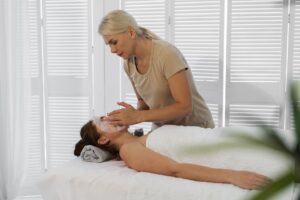
Massage therapy stimulates the release of serotonin and dopamine, neurotransmitters associated with feelings of well-being and happiness. This biochemical response can alleviate symptoms of anxiety and depression, offering a natural alternative to medication. Moreover, the physical touch involved in massage has been shown to increase oxytocin levels, further enhancing feelings of trust and relaxation.
Beyond stress relief, massage encourages mindfulness and self-awareness. By focusing on the sensations in your body during a session, you can cultivate a deeper connection with yourself, promoting emotional balance and clarity. This holistic approach to mental health underscores the transformative potential of massage therapy in fostering a more harmonious and fulfilling life.
Different Types of Massage Techniques and Their Effects
There is a diverse array of massage techniques, each offering unique benefits tailored to specific needs. Understanding these techniques can help you choose the right massage for your goals, whether it’s relaxation, rehabilitation, or rejuvenation.
- Swedish Massage: Known for its gentle and soothing strokes, this technique is ideal for relaxation and stress reduction. It enhances blood circulation and eases muscle tension.
- Deep Tissue Massage: Targeting deeper layers of muscle and connective tissue, this technique is effective for chronic pain and injury recovery. It involves slow, deep strokes to break down adhesions and relieve muscle knots.
- Sports Massage: Designed for athletes, this technique focuses on preventing and treating sports-related injuries. It combines stretching, deep tissue work, and joint mobilization to enhance performance and reduce recovery time.
- Thai Massage: A unique blend of yoga-like stretches and acupressure, Thai massage improves flexibility, relieves joint stiffness, and energizes the body.
- Aromatherapy Massage: Incorporating essential oils, this technique enhances relaxation and emotional well-being through the therapeutic properties of scents.
Each massage technique offers distinct advantages, allowing you to select the most appropriate method for your specific needs. Whether you seek relief from physical discomfort or a mental retreat, there is a massage technique that can support your journey to wellness.
How Often Should You Get a Massage? Recommendations and Guidelines
The frequency of massage therapy sessions depends on your individual needs, lifestyle, and health goals. While some may benefit from weekly treatments, others may find monthly sessions sufficient to maintain their well-being. Understanding your body’s signals and consulting with a professional can guide you in establishing an effective routine.
For those dealing with chronic pain or recovering from an injury, more frequent sessions may be necessary to achieve optimal results. Weekly or bi-weekly massages can help manage pain, reduce inflammation, and expedite the healing process. Conversely, if you’re seeking relaxation and stress relief, a monthly massage may suffice to keep anxiety at bay and maintain balance.
Consider incorporating massage into your regular wellness routine as a proactive measure. Consistent sessions can prevent the buildup of stress, enhance physical health, and contribute to a more balanced lifestyle. By prioritizing self-care and listening to your body’s needs, you can determine the ideal massage frequency for lasting benefits.
The Role of Massage in Recovery and Rehabilitation
Massage therapy plays a pivotal role in recovery and rehabilitation, offering a non-invasive approach to healing that complements conventional medical treatments. It addresses various aspects of recovery, from pain management to muscle restoration, making it an invaluable tool for those facing physical challenges. In some rehabilitation programs, massage may also be used alongside a comprehensive treatment for vertigo and dizziness, depending on the underlying cause and the guidance of a healthcare professional.
Injury rehabilitation often involves a multidisciplinary approach, with massage as a key component. By improving blood flow and flexibility, massage aids in the repair of damaged tissues and accelerates the recovery process. It also helps in reducing scar tissue, enhancing mobility, and restoring normal function to injured areas.
Moreover, massage therapy can significantly alleviate postoperative pain and swelling, promoting a smoother and more comfortable recovery. By addressing both physical and emotional aspects of healing, massage supports a holistic approach to rehabilitation, empowering you to regain strength and confidence in your body.
Finding the Right Massage Therapist: What to Look For

Selecting the right massage therapist is crucial to reaping the full benefits of massage therapy. An experienced and skilled therapist can tailor sessions to your specific needs, ensuring a safe and effective treatment. Here are key factors to consider when choosing a therapist:
- Qualifications and Licenses: Ensure the therapist is certified and licensed to practice in your area. This ensures they have undergone the necessary training and adhere to professional standards.
- Specialization and Experience: Different therapists may specialize in various techniques, such as sports massage, deep tissue, or prenatal massage. Choose one whose expertise aligns with your needs.
- Communication Skills: A good therapist listens to your concerns, explains the treatment process, and adjusts techniques based on your feedback. Open communication is essential for a comfortable and beneficial experience.
- Reputation and Reviews: Research reviews and testimonials from other clients to gauge the therapist’s reputation and effectiveness.
By taking the time to find a qualified and compatible massage therapist, you can ensure a positive and transformative experience that enhances your health and well-being.
DIY Massage Techniques: Simple Practices for Relief at Home
While professional massage therapy offers unparalleled benefits, there are simple techniques you can practice at home to alleviate tension and stress. Incorporating these DIY methods into your routine can complement professional treatments and provide immediate relief.
- Self-Massage Tools: Invest in tools such as foam rollers, massage balls, or handheld massagers to target specific areas of the body. These tools can help release muscle knots and improve circulation.
- Aromatherapy and Relaxation: Enhance your self-massage sessions with essential oils known for their calming properties, such as lavender or eucalyptus. Create a relaxing environment with soft lighting and soothing music.
- Stretching and Breathwork: Incorporate gentle stretching and deep breathing exercises into your self-massage routine. This combination promotes relaxation, increases flexibility, and enhances the overall effectiveness of your practice.
By integrating these simple techniques into your daily routine, you can enjoy the benefits of massage therapy from the comfort of your home, ensuring continuous support for your body and mind.
Conclusion: Embracing Massage for Holistic Wellness
Embracing massage therapy as a part of your wellness journey offers a wealth of benefits that extend beyond physical relaxation. From alleviating pain and enhancing recovery to promoting mental clarity and emotional balance, massage is a powerful tool for holistic health. By understanding the types of massage available, finding the right therapist, and incorporating self-care practices, you can unlock the transformative potential of massage therapy.
