
Moroccan rituals are deeply rooted in the country’s rich cultural heritage, embodying a unique blend of Berber, Arab, and French influences. These traditions, passed down through generations, are not just mere practices but are integral to the Moroccan way of life. From spiritual ceremonies to daily beauty routines, these rituals harness the power of nature, emphasizing balance, harmony, and wellness.
In Morocco, rituals often revolve around the use of natural ingredients and essential oils, which are believed to have profound therapeutic benefits. These practices are more than just cultural expressions; they are a testament to the country’s deep respect for nature and its bountiful provisions. Many luxury facial spa experiences draw inspiration from these traditional Moroccan rituals by incorporating essential oils and botanical ingredients into their treatments. Essential oils and natural ingredients play a crucial role in connecting the physical and spiritual realms, providing both medicinal and aesthetic benefits.
Understanding and embracing these rituals can offer you a unique perspective on wellness and self-care. By exploring the significance of these practices, you can discover a holistic approach to health that intertwines the physical, mental, and spiritual aspects of well-being.
The Role of Essential Oils in Traditional Moroccan Practices
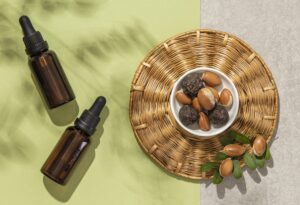
Essential oils are the cornerstone of many traditional Moroccan practices, revered for their aromatic and healing properties. In Moroccan culture, these oils are not just used for their pleasant scents but are also valued for their ability to enhance physical and emotional health. While modern skincare discussions often compare techniques such as gua sha vs microcurrent, Moroccan wellness traditions continue to emphasize the natural therapeutic benefits of essential oils. From the bustling souks of Marrakech to the serene landscapes of the Atlas Mountains, the use of essential oils is ubiquitous across the country.
One of the most popular essential oils in Morocco is Argan oil, often referred to as “liquid gold.” Extracted from the kernels of the Argan tree, this oil is renowned for its nourishing and anti-aging properties. It is commonly used in beauty rituals to moisturize skin and hair, and its rich vitamin E content makes it an effective treatment for various skin ailments. Additionally, essential oils like rose and neroli are frequently used in traditional hammams (baths) to promote relaxation and rejuvenation.
The application of essential oils in Moroccan rituals extends beyond beauty and wellness. They are also used in spiritual practices, where their scents are believed to purify the mind and spirit. Many modern facial spa service treatments incorporate these aromatic oils to create a relaxing and rejuvenating experience. By incorporating these oils into your routine, you can experience a sense of tranquility and balance, much like the Moroccans have for centuries.
Common Natural Ingredients Used in Moroccan Rituals
Moroccan rituals are distinguished by the use of an array of natural ingredients, each with unique properties and uses. These ingredients are sourced from the local environment, reflecting the country’s biodiversity and the people’s deep connection with nature. Here are some of the most common natural ingredients found in Moroccan rituals:
- Ghassoul Clay: This mineral-rich clay is mined from the Atlas Mountains and is a staple in Moroccan beauty rituals. Known for its exfoliating and detoxifying properties, Ghassoul clay is used in face masks and body treatments to cleanse and soften the skin.
- Black Soap: Made from olive oil and crushed olives, black soap is an integral part of the Moroccan hammam experience. Its exfoliating properties help remove dead skin cells, leaving the skin smooth and rejuvenated.
- Henna: Used for centuries in Morocco, henna is applied to the skin for decorative purposes and as a dye for hair. It is also believed to have cooling and antiseptic properties, making it a versatile ingredient in various rituals.
These ingredients, when combined with essential oils, create potent treatments that cater to both beauty and health. By understanding the properties and uses of these natural elements, you can incorporate them into your own wellness routines.
Benefits of Essential Oils and Natural Ingredients
The benefits of essential oils and natural ingredients in Moroccan rituals are manifold, extending beyond mere aesthetics to encompass holistic wellness. These natural elements are revered for their ability to promote physical, mental, and emotional health, offering a comprehensive approach to self-care.
Physical Benefits
- Skin Nourishment: Essential oils like Argan and rose oil provide deep hydration and nourishment to the skin, helping to maintain its elasticity and youthfulness.
- Hair Care: Natural ingredients such as henna and black soap are excellent for hair health, promoting shine and strength while preventing damage.
- Cleansing and Detoxification: Ingredients like Ghassoul clay and black soap are effective in detoxifying the skin, removing impurities and dead skin cells.
Mental and Emotional Benefits
- Stress Relief: The soothing scents of essential oils like lavender and neroli help reduce stress and anxiety, promoting relaxation and mental clarity.
- Mood Enhancement: The aromatic properties of these oils can uplift your mood and create a sense of calm and well-being.
Healing Properties
- Antiseptic and Anti-inflammatory: Many essential oils possess antiseptic and anti-inflammatory properties, aiding in the healing of cuts, burns, and other skin irritations.
- Immune Boosting: Regular use of these natural ingredients can strengthen the immune system, protecting against illnesses and infections.
By incorporating these benefits into your daily life, you can achieve a balanced and harmonious state of well-being, much like the traditional Moroccan approach to health.
How to Incorporate Essential Oils into Your Daily Routine
Incorporating essential oils into your daily routine can be a simple yet effective way to enhance your overall well-being. These oils offer a wide range of applications, from skincare to aromatherapy, making them versatile additions to your self-care regimen.
Skincare
- Facial Serums: Mix a few drops of essential oil, such as Argan or rose oil, with a carrier oil to create a nourishing facial serum. Apply it to your skin daily for hydration and a youthful glow.
- Body Scrubs: Add essential oils to homemade body scrubs for an invigorating exfoliating experience. Oils like orange or peppermint can provide a refreshing and revitalizing effect.
Aromatherapy
- Diffusers: Use essential oils in diffusers to fill your home with calming and uplifting scents. Lavender, eucalyptus, and chamomile are excellent choices for relaxation.
- Bath Soaks: Add a few drops of essential oils to your bath for a luxurious and aromatic soak that relaxes the mind and body.
Hair Care
- Scalp Treatments: Combine essential oils with carrier oils for scalp massages to stimulate hair growth and health. Rosemary and tea tree oils are particularly beneficial for the scalp.
- Hair Masks: Enhance your hair masks with essential oils to improve shine and manageability.
By exploring different methods of using essential oils, you can tailor their application to suit your personal needs and preferences, enhancing your daily routine with the essence of Moroccan wellness.
Traditional Moroccan Rituals: A Step-by-Step Guide
Embracing traditional Moroccan rituals can transform your self-care routine into a holistic experience. Here is a step-by-step guide to incorporating these time-honored practices into your life:
Step 1: The Hammam Experience
- Preparation: Begin by warming the body with steam to open pores and relax muscles.
- Cleansing: Apply black soap to exfoliate and cleanse the skin, followed by a vigorous scrub with a kessa glove.
- Rinsing: Rinse off the soap and impurities with warm water, leaving the skin smooth and rejuvenated.
Step 2: The Ghassoul Clay Mask
- Mixing: Combine Ghassoul clay with water or rose water to form a paste.
- Application: Apply the mixture to the face and body, allowing it to dry for 10-15 minutes.
- Rinsing: Rinse thoroughly with warm water for a revitalized complexion.
Step 3: The Argan Oil Massage
- Application: Warm a small amount of Argan oil in your hands and massage it into the skin using circular motions.
- Relaxation: Allow the oil to absorb, nourishing the skin while promoting relaxation and tranquility.
By following these steps, you can experience the full benefits of Moroccan rituals, enhancing your physical and mental well-being through the power of natural ingredients and traditional practices.
The Healing Properties of Moroccan Herbs and Oils
Moroccan herbs and oils are celebrated for their healing properties, offering natural remedies for a variety of ailments. These elements are integral to the country’s traditional medicine, known as “Tibb,” which emphasizes the use of natural substances for health and healing.
Herbal Remedies
- Mint: Known for its digestive benefits, mint is often used in teas to soothe stomach discomfort and improve digestion.
- Saffron: This precious spice is believed to have anti-depressant properties and is used to enhance mood and reduce anxiety.
Essential Oils
- Eucalyptus: Commonly used for respiratory issues, eucalyptus oil helps clear congestion and improve breathing.
- Lavender: Renowned for its calming effects, lavender oil promotes relaxation and aids in sleep.
Combination Treatments
- Herbal Baths: Combining herbs and essential oils in baths can enhance their healing properties, providing relief from stress and muscular tension.
- Topical Applications: Applying herbal-infused oils directly to the skin can help treat inflammation and skin conditions.
By harnessing the healing properties of Moroccan herbs and oils, you can enhance your natural wellness practices, promoting health and vitality through time-honored remedies.
Sustainable Sourcing of Essential Oils and Natural Ingredients
Sustainable sourcing is a fundamental aspect of using essential oils and natural ingredients in Moroccan rituals. Ensuring that these elements are obtained ethically and sustainably is crucial for preserving the environment and supporting local communities.
Importance of Sustainable Sourcing
- Environmental Protection: Sustainable practices help protect natural habitats and biodiversity, ensuring the longevity of resources.
- Community Support: Ethical sourcing practices support local farmers and artisans, providing fair wages and improving livelihoods.
How to Source Sustainably
- Research Suppliers: Choose suppliers who prioritize sustainability and ethical practices in their sourcing and production processes.
- Look for Certifications: Seek out certifications like Fair Trade or Organic, which indicate sustainable and ethical sourcing.
- Support Local Artisans: Purchase directly from local Moroccan artisans and cooperatives to support traditional methods and communities.
By making conscious choices in sourcing essential oils and natural ingredients, you can contribute to a more sustainable and equitable world, while enjoying the benefits of these natural elements.
Cultural Importance of Moroccan Rituals in Modern Wellness
Moroccan rituals have gained recognition in the modern wellness movement, offering a holistic approach that resonates with contemporary desires for natural and effective self-care solutions. These rituals, deeply rooted in cultural traditions, provide a blueprint for achieving balance and harmony in today’s fast-paced world.
Integration into Modern Wellness
- Holistic Approach: Moroccan rituals emphasize the interconnectedness of mind, body, and spirit, aligning with modern holistic wellness philosophies.
- Natural and Organic: The use of natural ingredients and essential oils appeals to those seeking organic and sustainable self-care options.
- Cultural Appreciation: Embracing Moroccan rituals provides a deeper appreciation and understanding of cultural diversity in wellness practices.
Benefits for Modern Lifestyles
- Stress Reduction: The calming and rejuvenating effects of Moroccan rituals can help manage stress and anxiety, prevalent in modern lifestyles.
- Enhanced Self-Care: These rituals encourage intentional self-care, promoting mindfulness and self-awareness.
By incorporating Moroccan rituals into your wellness routine, you can embrace a comprehensive approach to health that honors cultural traditions while meeting modern needs.
Conclusion: Embracing Moroccan Traditions for Well-being
Embracing Moroccan rituals and traditions offers a unique opportunity to enhance your well-being through natural and holistic practices. By incorporating essential oils and natural ingredients into your daily routine, you can experience the profound benefits of these time-honored practices.
From the soothing experience of the hammam to the nourishing properties of Argan oil, Moroccan rituals provide a path to achieving physical, mental, and emotional balance. By understanding the cultural significance and healing properties of these rituals, you can cultivate a deeper connection with yourself and the world around you.
